

About this Resource
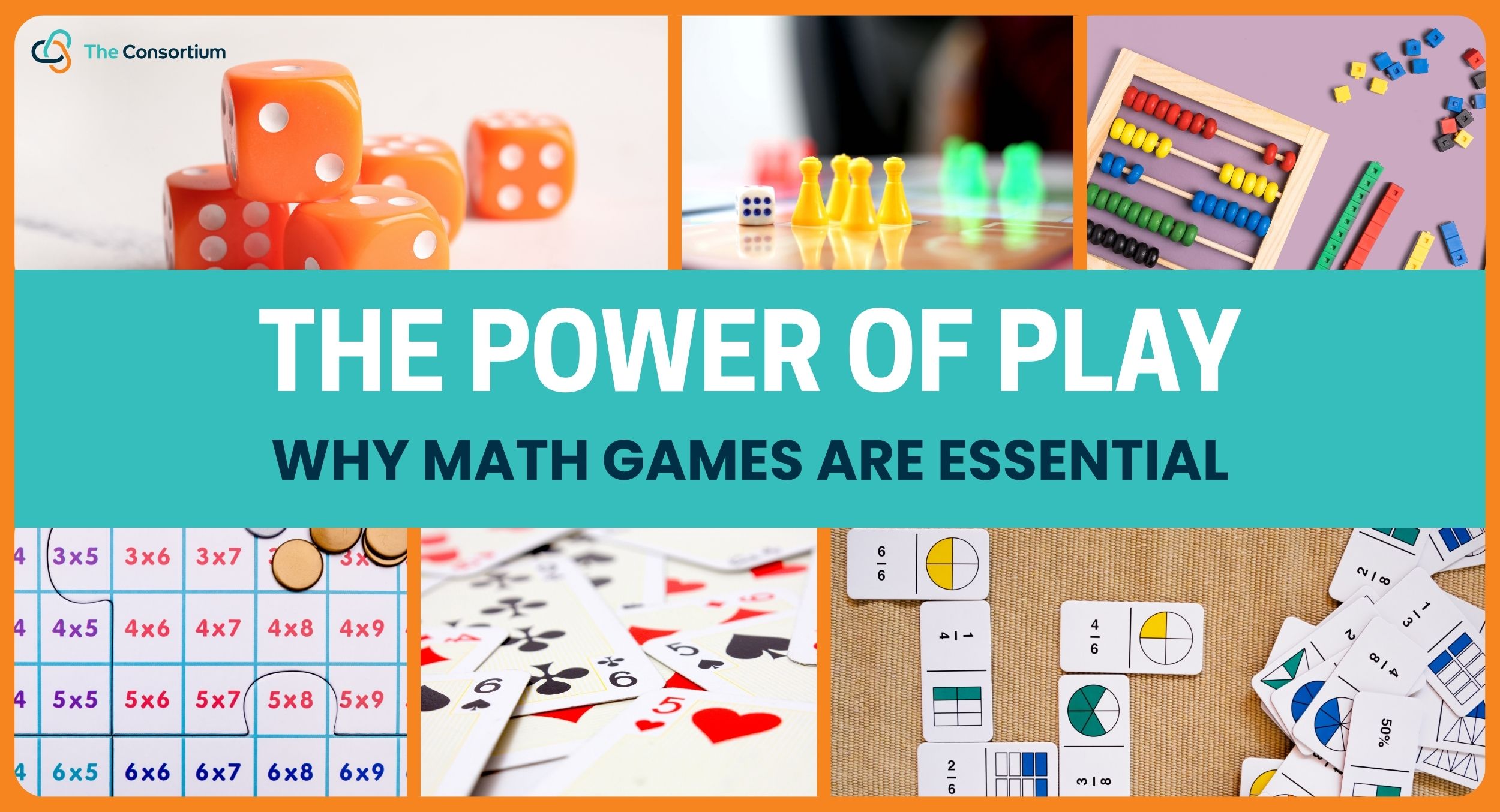
Math games, when integrated intentionally, are powerful pedagogical tools that move students from rote memorization to deep conceptual understanding.
For the Student: From Anxiety to Mastery
- Lowers the Stakes: A wrong move in a game is a temporary setback, not a permanent red mark. This psychological safety encourages students to take risks.
- Fluency Without Boredom: Games disguise the repetition needed for computational fluency. A card game is actively engaging, unlike with a traditional “drill and kill” worksheet.
- Develop Strategic Thinking: Games shift the cognitive demand from “What is the answer?” to “What is the best move?”. Students analyze probability and predict outcomes.
For the Teacher: The Stealth Assessment Tool
- Authentic Formative Assessment: Games let teachers observe student thinking in real time and intervene as needed.
- Natural Differentiation: Games are “low floor, high ceiling”. The basic structure can be easily modified for different ability levels without singling students out.
- Builds Collaboration: Games force students to articulate their reasoning and negotiate rules, building a collaborative mathematical community.
The Bottom Line
Math games offer a unique duality: they are engaging enough to capture attention and rigorous enough to challenge the intellect.
Explore this collection of favorite K-12 math games, created by our Designers of Professional Learning. They are simple to learn, fun for students, and ready to use today.